 Online casino lobbies are a bit ridiculous, in a good way. You open one and there is everything at once. A slot with a dragon. A slot with fruit. A slot with a fisherman who looks like he has seen things. Live roulette in the corner. Blackjack tables. Some game with lightning in the title. Another one promising gold, treasure, gems, gods, sweets, buffaloes or all of them together for some reason. It should be too much. Somehow, that is part of the fun. Nobody opens a full casino lobby and calmly studies it like a library shelf. Leo clicks around. Maybe he came in for one game, then sees something strange three rows down and opens that instead. Maybe it is terrible and he leaves after two minutes. Maybe it is better than expected. That small surprise is half the point.
The Loud Games Are Not Always The Best Ones
The top of the lobby always looks important. New releases. Popular casino games. Jackpot tiles. Big colours. Big words. Everything fighting for the first click. But the good stuff is not always at the front. Sometimes the game that works is a plain old slot with simple reels and no drama. Sometimes it is a roulette table that is not packed. Sometimes it is blackjack because Tom wants to feel like he is making decisions instead of just watching symbols land. That is what makes the lobby fun to browse. It is not one mood. It is a pile of moods. Fast, slow, silly, serious, bright, quiet, old-fashioned, over-designed. Some games look better than they play. A few play better than they look.
Slots Have Their Own Weird Charm
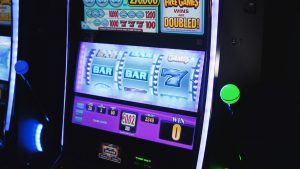
Slots are still the easiest games to wander into. There is no big setup. No table rules to remember. No one waiting for you. Just pick a bet, press spin, and see if the game has anything about it. Some slots are all noise and no personality. Others have little details that make them stick. A bonus that lands at just the right time. A sound effect that is oddly satisfying. A theme that should be nonsense but somehow works. Mark might laugh at a game title, open it as a joke, and end up staying because the pace feels right. That is the thing with slots. The fun is not always in the idea. Sometimes it is in the feeling of the game once it starts moving.
Live Tables Feel Like Another Room
Then there is live casino, which feels different straight away. A live table slows everything down. Someone deals the cards. The wheel spins properly. There are pauses. Other people join and leave. You cannot smash through rounds the way you can with a digital game. For some people, that is exactly why it works. Sarah might not want another fast slot after ten minutes of scrolling. She might want roulette with a real dealer and a bit of table atmosphere. Not a full night out, not a real casino floor, but closer to that feeling than staring at reels alone. It gives the lobby another room to step into.
The Fun Is Picking Wrong Sometimes
Not every game you open has to be a great choice. iThat sounds obvious, but it is part of online casino browsing. You try one, hate the sound, leave. You open another, the bonus makes no sense, close it. You go back to the game you actually like. No big deal. The lobby is built for that kind of wandering. And honestly, that is where a lot of the fun sits. Not in finding the “perfect” game, because there probably is not one. It is in the little detours. The game you nearly skipped. The one you remember from years ago. The new one that looks stupid and somehow plays well. A full online casino lobby is messy. It is crowded. It is loud. It repeats itself all over the place. But when it works, that mess becomes the point.
 Some casino games made the move online without changing too much. Roulette still had the wheel. Blackjack still had the cards. Slots still had symbols and a spin button. The screen changed the access, but the game itself was easy to recognise. Then online casinos started adding games that did not really come from the old floor at all. These are the games that feel built for phones and browsers. Short rounds, clean buttons, simple visuals, quick decisions. They do not need a row of machines or a dealer standing at a table. They need a screen, a timer, and a player who can understand the idea almost immediately.
 I first heard about Aviator the same way I hear about most new apps these days are not from an ad, but from someone casually mentioning it. A friend brought it up. Then I saw it pop up on a betting platform. Then I realized it wasn’t just some random game. People were actually spending time on it. So I looked into it. And honestly, it’s surprisingly simple. There’s no big animation. No dramatic casino setup. A number starts rising on the screen. That’s it. Your job is to decide when to “cash out” before the number crashes. If you exit in time, you keep the multiplier. If you wait too long, it’s gone. Each round lasts seconds. That’s probably the whole point.
 Open any online casino game, and the first thing that catches your eye isn’t the odds or the payout table. It’s the movement, the rhythm, the tiny details that make it feel alive. A flicker of light, the soft roll of reels, a burst of sound at just the right moment – these are the things that keep players in the moment. Design, when done right, becomes invisible. It doesn’t shout for attention. It guides you quietly from one action to the next, turning simple gameplay into something that feels natural.
 Casinos never really stand still. They change with technology, culture, and whatever rules governments decide to put in place. Right now the market feels especially restless. Depending on where you look, the story can be glitzy resorts, mobile apps, or brand-new regulations trying to catch up with how people already play.